
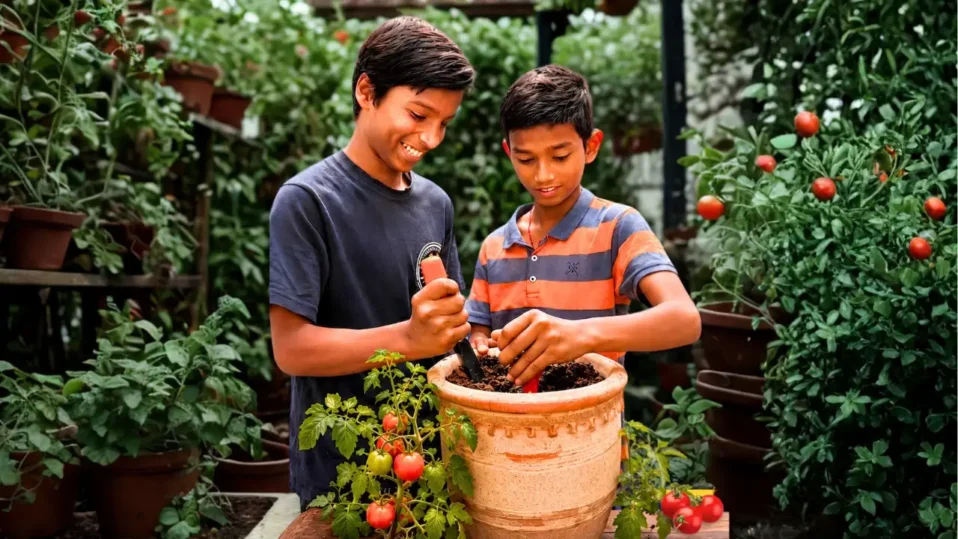
Empowering Communities Through Environmental Awareness
On World Environment Day, the CBN Foundation conducted a Composting Awareness Initiative in Chandanhola, Delhi, to encourage sustainable waste management practices, environmental responsibility, and eco-friendly living within the community. The programme aimed to educate participants about the importance of composting kitchen waste and its role in reducing household waste while promoting a greener environment.
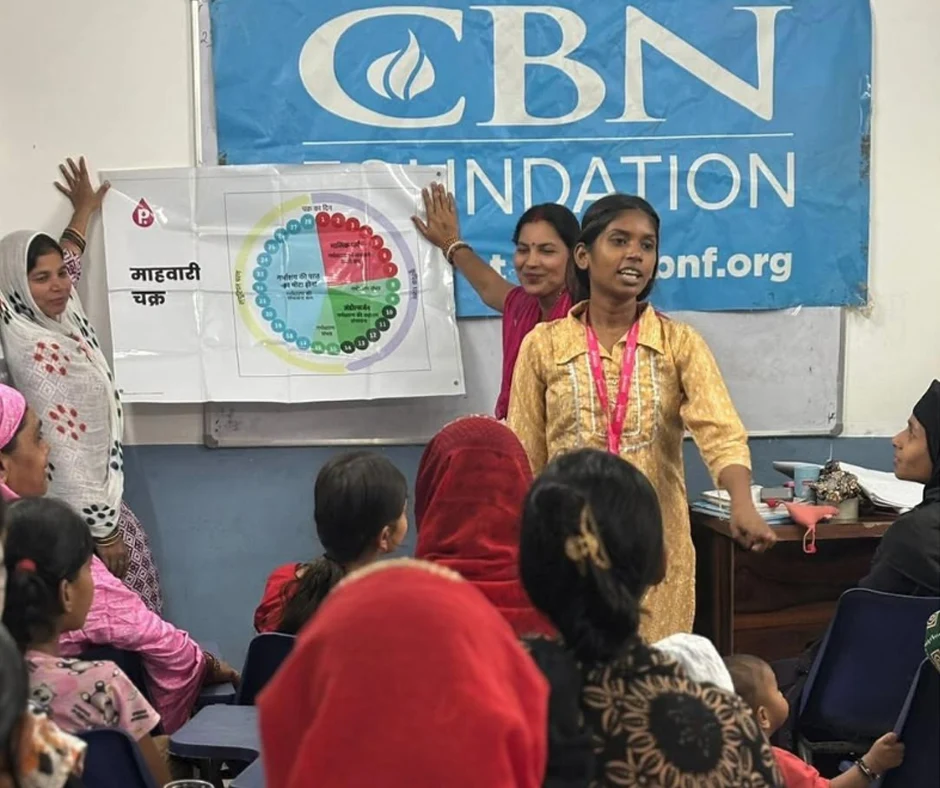
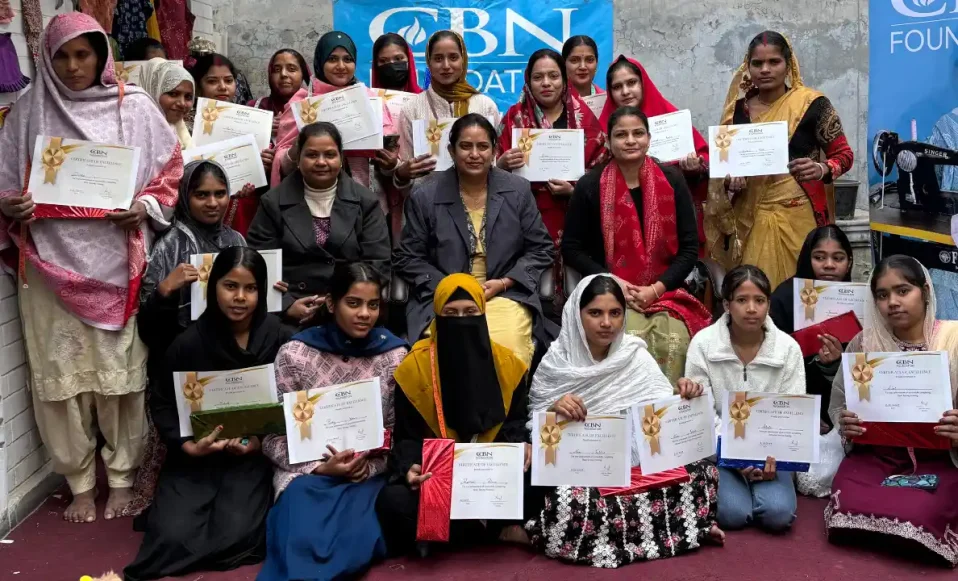
Through interactive training sessions and practical demonstrations, nineteen participants, including women and students, gained valuable knowledge about organic waste management, sustainable living, and environmental conservation. To help participants put their learning into practice, a community composter from Daily Dump was donated to the community, enabling them to begin composting organic waste at the local level.
Understanding the Importance of Kitchen Waste Composting
A major focus of the programme was kitchen waste management and the transformation of everyday organic waste into a valuable natural resource. Household organic waste, often discarded as part of daily cooking activities, can be converted into nutrient-rich compost that improves soil fertility, supports healthy plant growth, and reduces the burden on landfills.
Participants learned how composting serves as an effective solution for waste reduction, helping households divert biodegradable waste from dumping sites while contributing to a healthier ecosystem. The training emphasized how simple composting practices can play a significant role in creating more sustainable communities.
Hands-On Composting Training and Demonstrations
The initiative included practical demonstrations that guided participants through the composting process step-by-step. The sessions covered:
- Segregation of organic and non-organic waste
- Best practices for home composting
- Managing kitchen scraps effectively
- Maintaining a healthy composting system
- Using compost to enrich soil and support gardening
Through these hands-on activities, participants gained a deeper understanding of how organic waste can be repurposed into a valuable resource instead of being treated as waste.
Encouraging Sustainable and Eco-Friendly Habits
Beyond composting, the programme highlighted the importance of adopting sustainable lifestyle practices that contribute to environmental protection. Participants were encouraged to integrate eco-friendly habits into their daily routines, including:
- Composting organic household waste
- Reusing natural and biodegradable materials
- Reducing water wastage
- Practising responsible waste segregation
- Supporting environmentally conscious community initiatives
The sessions emphasized that small, consistent actions can collectively create a meaningful and lasting impact on the environment. Participants were enthusiastic to learn practical ways to care for their surroundings and contribute to building cleaner and greener communities.
Building Greener Futures Through Community Action
The Composting Awareness Initiative successfully promoted environmental sustainability, responsible waste management, and community participation in conservation efforts. By equipping women and children with practical knowledge and skills, the programme empowered them to become active contributors to environmental stewardship within their communities.
The initiative demonstrated how community-led environmental education can inspire long-term behavioural change and foster a culture of sustainability.
CBN Foundation’s Commitment to Environmental Sustainability
At the CBN Foundation, we believe that the education of students and the empowerment of women are strengthened when combined with sustainable development practices. Through initiatives such as composting awareness, environmental education, and community engagement, we continue to encourage individuals and communities to become responsible caretakers of the environment.
By adopting small but impactful sustainable practices, communities can collectively create significant positive change and contribute to a cleaner, healthier, and more sustainable future for generations to come.
Post a comment